What Is Orthodontic Treatment?
Our smile is one of the most noticeable parts of our confidence and personality. We all want a beautiful and harmonious smile when we look in the mirror. However, sometimes dental misalignments, crowding, or bite problems can prevent our smile from looking the way we want. This situation not only creates an aesthetic concern but also directly affects oral health. Misaligned teeth can make chewing difficult, put extra strain on the gums and jaw joint, and may lead to issues such as tooth wear or sensitivity over time. Orthodontic treatment offers an effective solution both aesthetically and functionally. Thanks to modern orthodontic methods, the treatment process has become much more comfortable and efficient than it used to be.
What Is the Main Purpose of Braces?
The primary goal of orthodontic treatment is to align the teeth into a proper, aesthetic position. However, braces do much more than improve appearance; they directly influence chewing, speaking, and even daily oral hygiene habits. Misaligned teeth can lead to gum problems due to plaque and tartar accumulation, cause excessive load on certain teeth during chewing, or result in speech difficulties. This is why orthodontic treatment is not only an aesthetic solution but also a valuable investment in long-term oral health. By positioning the teeth correctly, it creates a functional and visually healthy oral structure, ultimately improving your quality of life.
Who Is Orthodontic Treatment Suitable For?
Orthodontic treatment is no longer limited to children and teenagers; it has become a method suitable for all age groups. The old belief of “you’re too late for this treatment” is now outdated. Thanks to modern techniques, adults can also comfortably benefit from orthodontic care.
We generally recommend orthodontic treatment in the following situations:
Crowded or misaligned teeth: When teeth are not properly aligned, they can create both aesthetic issues and difficulties in maintaining oral hygiene.
Bite problems in the front or back teeth: These issues may cause excessive pressure on certain teeth during chewing and lead to jaw joint discomfort.
Unnecessary gaps between teeth: Food particles can accumulate in these spaces, increasing the risk of gum problems.
Jaw asymmetry or incompatibility: Problems in jaw structure can affect facial aesthetics and lead to long-term joint issues.
A detailed examination, digital X-rays, and, if necessary, 3D scans help us determine the most suitable treatment plan for you. Since every individual’s dental structure is different, we create a fully personalized treatment method and timeline.
Treatment Process
Starting orthodontic treatment is like embarking on a small journey. The first step is a detailed examination. We take photos and X-rays of your teeth and jaw structure to evaluate everything thoroughly. This stage acts like drawing a map—it determines where we’re going, how long it will take, and which treatment path we will follow. The most suitable method is selected, and the entire process is explained step by step.
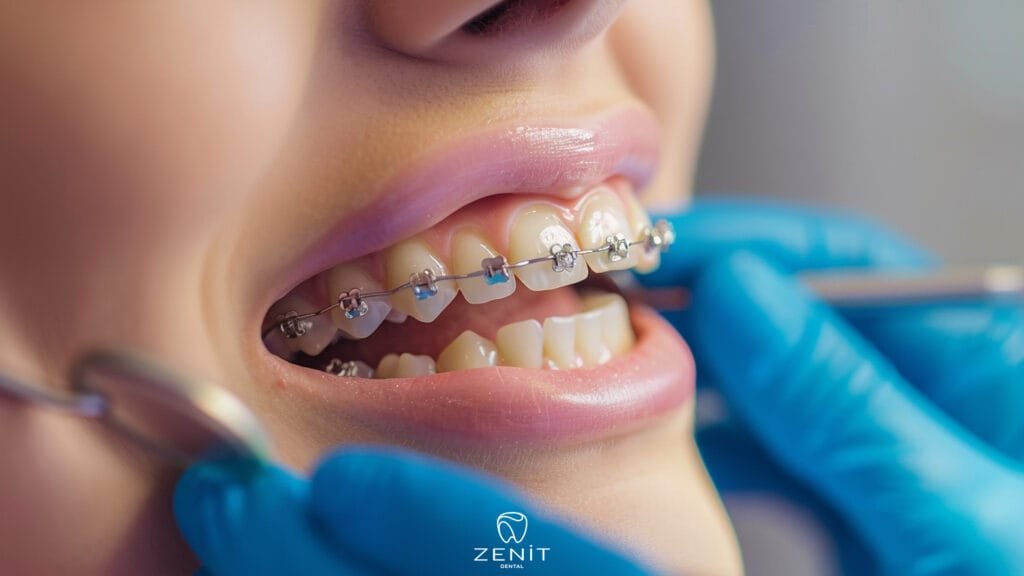
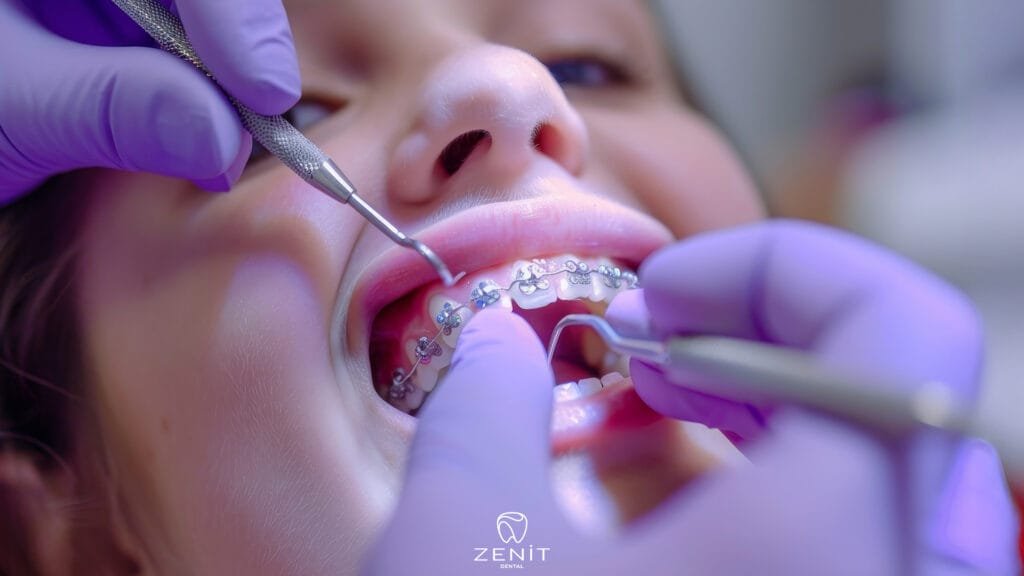
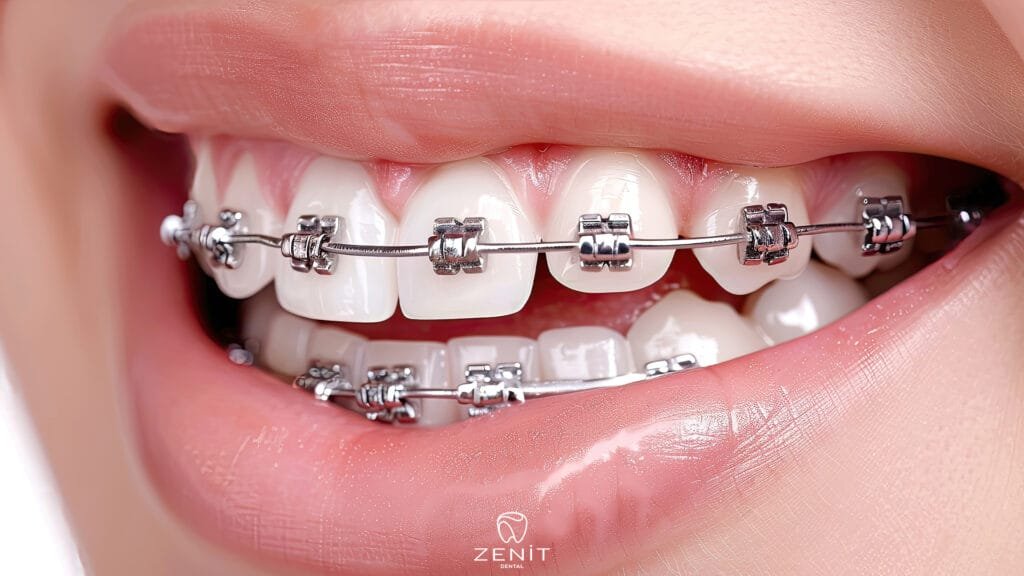
Then comes the most exciting part: placing the braces. Whether metal brackets are attached one by one or impressions are taken for clear aligners, this marks the beginning of a new phase. Although the first days require some adjustment, you’ll soon get used to your new routine. Each check-up appointment acts as the next stop on this journey. Your orthodontist makes small adjustments to guide your teeth into the correct position, and you will notice your smile improving month by month.
Finally, the most rewarding moment arrives: the removal of the braces. After months of effort, patience, and regular check-ups, your teeth achieve the alignment you dreamed of. But the journey doesn’t end here; to maintain the results, you enter the retention phase. With clear retainers or thin stabilizing wires, your new smile is protected for the long term. This way, you complete this journey with a healthier and more confident smile than when you started.
How Long Does Orthodontic Treatment Take?
The duration of orthodontic treatment varies widely from person to person because everyone’s dental structure, jaw relationship, and treatment needs are different. Generally, orthodontic treatments take between 12 and 36 months to complete, although this period can be shorter or slightly longer depending on the complexity of the case. The key point is that each individual’s treatment is fully customized.
Many factors affect the duration of treatment: the level of crowding, whether jaw issues are present, the type of appliance used, and the patient’s commitment to the treatment plan. For example, attending regular check-ups, wearing aligners for the recommended hours, or avoiding foods that may damage the brackets can significantly influence the speed of treatment.
The estimated duration your orthodontist provides is typically a guideline; watching your smile transform throughout the process is the most motivating part. Although the journey may require patience at times, the final result—a straight, healthy, and confident smile makes every step worthwhile.
What Can You Eat With Braces?
Adjusting your eating habits slightly helps you go through the treatment process much more comfortably. During the first few days, your teeth may feel sensitive, so soft foods like yogurt, soup, purée, or soft pasta will be soothing. It’s best to avoid hard, sticky, or chewy foods—such as nuts or caramel—for a while, as they can damage the braces.
On a daily basis, you can choose comfortable and brace-friendly foods such as bananas, avocados, omelets, steamed vegetables, soft meats, and cheese. With small adjustments, you can both protect your braces and enjoy a pleasant and comfortable diet throughout your treatment.
Gebze Braces Prices
The cost of orthodontic treatment varies based on the type of treatment, the condition of the teeth, and the materials used. Therefore, providing a single standard price would not be accurate, as every smile is unique and every treatment plan is personalized. Some patients may only need minor corrections, while others may require more comprehensive orthodontic support for both the jaw and teeth.
At our clinic, we determine the most suitable treatment plan for you after a detailed examination. Options such as metal braces, aesthetic braces, and clear aligners (similar to Invisalign) all have different price ranges. We clarify the most suitable option for you after evaluating your dental structure.