What Is Pregnancy Gingivitis?
Pregnancy is a very special period in a woman’s life, marked by significant physical and emotional changes. The body almost completely restructures itself to adapt to the growing baby. Hormone levels change rapidly, the immune system begins to respond differently, and many unfamiliar symptoms become part of daily life. Morning sickness, sudden fatigue, sensitivity to smells, and emotional ups and downs are among the most talked-about aspects of this process. However, there is another important issue that often remains in the background and is not given enough attention: oral and dental health.
For many expectant mothers, symptoms such as bleeding gums, mild swelling, or oral sensitivity are seen as a “normal” part of pregnancy. Thoughts like “It will go away after birth,” “I don’t have the energy to deal with dental issues right now,” or “Could this harm the baby?” often lead to postponing dental visits. Yet these symptoms may be signs of something more than simple sensitivity. Pregnancy gingivitis, a form of gum inflammation related to pregnancy, is one of the most common oral health problems during this period.
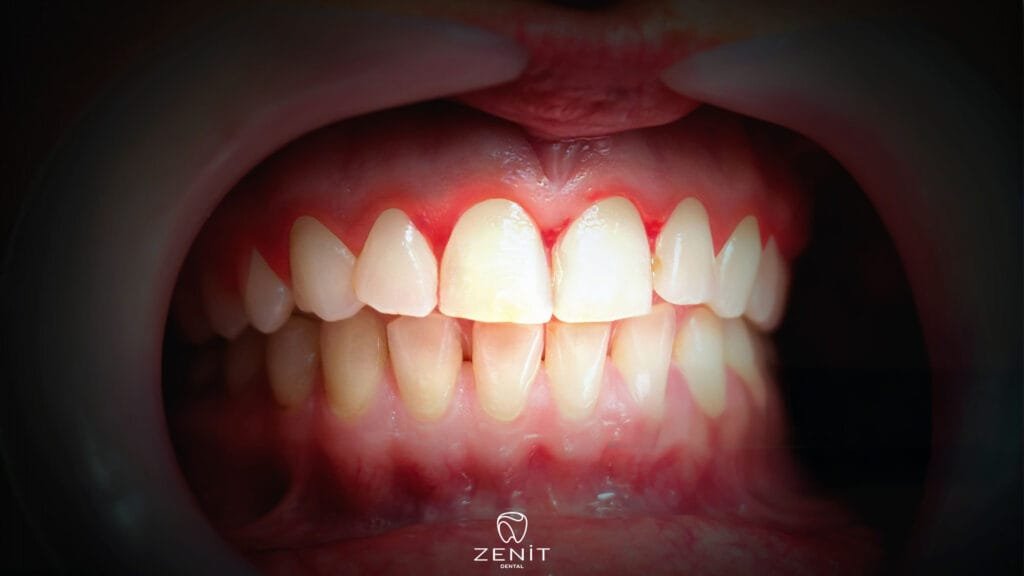
Pregnancy gingivitis usually develops because hormonal changes make the gums more sensitive and vulnerable. Gums react more strongly to plaque and bacteria that they would normally tolerate. As a result, redness, swelling, and bleeding during brushing or even light contact may occur. What seems harmless at first can, if neglected, turn into pain that affects daily life, persistent bad breath, and more serious gum problems.
Moreover, this issue is not limited only to the mother’s comfort. Many studies in recent years have shown how closely oral and dental health are linked to overall health. It is now better understood that gum inflammation during pregnancy can indirectly affect both the mother’s and the baby’s health. For this reason, pregnancy gingivitis should not be seen as a “minor gum problem,” but rather as an important condition that needs to be recognized, understood, and managed properly.
What Does Gum Bleeding During Pregnancy Mean?
Pregnancy gingivitis is a type of gum inflammation that occurs due to the effects of increased hormone levels on the gums during pregnancy. In particular, the rise in estrogen and progesterone makes the gums much more sensitive than usual. Dental plaque that would normally be tolerated or easily removed can be perceived as a threat by the gums during this period. As a result, redness, swelling, and bleeding even with the slightest contact may occur.
Many expectant mothers consider the blood they see in the sink while brushing their teeth to be a “temporary pregnancy-related issue.” However, this is actually the gums’ way of asking for help. Because the immune system functions differently during pregnancy, the body’s response to bacteria becomes stronger. This means that even a simple buildup of plaque can lead to gum inflammation. In other words, the issue is not weakened gums, but rather an overly intense defense response.
Pregnancy gingivitis often progresses silently. It may begin with mild sensitivity or slight bleeding during brushing. Over time, swelling, color changes in the gums, and an uncomfortable feeling of fullness in the mouth may develop. These symptoms are often overlooked amid daily routines. However, if left untreated, they can negatively affect the expectant mother’s oral health and pave the way for more serious gum problems.
Causes of Pregnancy Gingivitis
Pregnancy gingivitis usually does not occur for a single reason; several factors often come together. Hormonal increases during pregnancy raise blood flow to the gums, making them fuller, more sensitive, and more vulnerable to external factors. Even small plaque accumulations that would normally cause no issues can easily lead to redness and inflammation during this time. In other words, the problem is not that the expectant mother neglects her teeth, but the body’s natural response to pregnancy.
In addition, the daily challenges of pregnancy can unintentionally disrupt oral care routines. Morning sickness, nausea, or intense fatigue can make brushing teeth feel difficult on some days. Expectant mothers who experience nausea may avoid brushing to prevent triggering it. At the same time, frequent snacking and increased consumption of sugary or carbohydrate-rich foods during pregnancy can accelerate plaque formation. When these factors combine with changes in the immune system designed to protect the baby, the gums’ response to bacteria becomes more pronounced.
Symptoms of Pregnancy Gingivitis
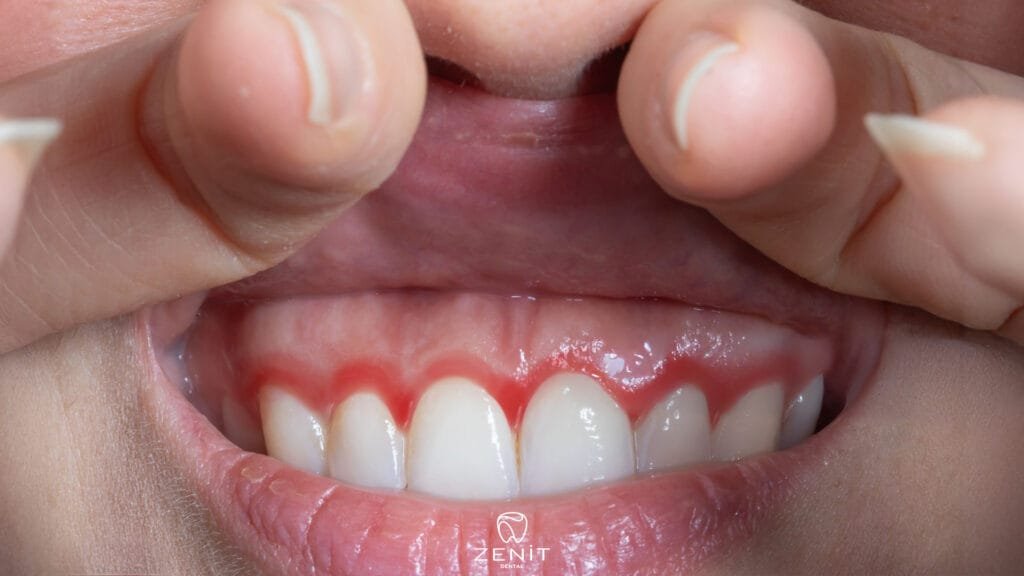
Pregnancy gingivitis symptoms often develop gradually and may become more uncomfortable over time. Unusual redness and a feeling of fullness in the gums, bleeding seen in the sink while brushing, or sensitivity when using dental floss are among the most common signs. Some expectant mothers complain of aching or pain when the gums are touched, while others notice persistent bad breath. The gums may appear shinier, softer, and more sensitive than usual; in advanced cases, a slight gum recession sensation may occur, making the teeth appear longer.
Does Pregnancy Gingivitis Affect the Baby?